
Submitted by nsscadmin on
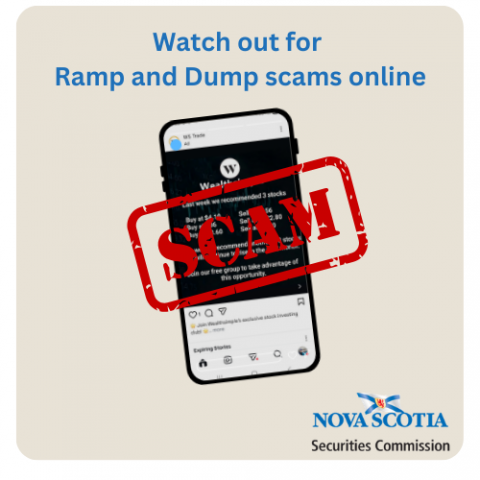
A new take on pump and dumps, utilizing social media and messaging apps, is luring investors into some big-time losses. We’re talking about Ramp and Dump scams. If you use a messaging app like WhatsApp or Telegram or scroll though social media channels like Instagram or Facebook, you may have already seen or been pitched a Ramp and Dump scam.
On messaging apps, scammers are sending friendly unsolicited messages looking for new investors. They often pose as a financial expert and may even impersonate a real registered adviser to offer you a spot in their exclusive investment group. This could be a group chat, filled with other would-be investors, or a private conversation where only you receive the investment tips.
They regularly promise “insider” stock info, and “hot investment tips” that are guaranteed to skyrocket in value very soon. They will also regularly tout their previous stock pick successes and the “great picks” they have already made.
The ramp up begins when they try to convince you and anyone else in the group to invest in a specific stock that they say is about to explode in value. They will pressure you to invest as soon as possible, driving home fear of missing out (FOMO) to get you to invest. If they are successful in getting several people to purchase the stock it will quickly begin rising in value due to the increased demand.
On social media channels like Instagram and Facebook, to get the ramp up going the scammers publish posts that promote their money-making investment group. These are often paid ads on Instagram and Facebook stories and feeds. These posts will often use the name and logo of real Canadian financial institutions like TD, BMO, or the other large Canadian banks, or registered investing platform or like WealthSimple, Questrade to feign legitimacy despite not being connected or affiliated with them at all. One investing platform we talked to said they requested Meta to remove more than 10,000 fake ads using their name and logo in only six months.
Here’s an example of how one of these ads might look:

The ad touts a great stock pick they made in the past and even includes details on the stocks rise in value. It’s easy to lie and say you predicted the rise in a stock if the person seeing the ad or post has no way to verify if that’s true. If they made one skyrocketing pick, then surely, they could do it again. And, as the ads say, they have already identified the next stock ready to take off. If you click on the ad and join the investment group you can learn what this must-buy stock is.
What the investors don’t realize is that the people touting these “can’t miss” stocks have bought large amounts of them weeks or months ago. They’ve been sitting on the stock waiting for the ramp up. When the ramp up begins and the price steadily increases, the scammers will wait for it to hit a certain price. As soon as that price is met, they will sell off all their stock, likely to unsuspecting investors. This is the dump.
After this huge sell off the ramp up comes crashing to a halt and the stock price begins to plummet. The investors will look to quickly sell their stock as it nosedives. But there’s a big problem: no one will want to buy the stock at its artificially- inflated value. The price the stock was trading at prior to the ramp up is based on real numbers and real information. Investors looking at these numbers and avoiding the hype of the ramp up won’t want to buy it at its inflated price as it’s falling back to its pre-ramp value . Investors get left holding an empty bag of worthless stock, while the scammers profit.
Watch out for these characteristics of ramp and dump scams:
- Unsolicited messages from strangers, celebrities, or so-called financial experts about investing.
- Promises of guaranteed returns or “insider” tips.
- Pressure to act quickly or FOMO.
- Touting prior stock picking success in ads, posts, or messages.